

 CALL US NOW
 EMAIL US NOW

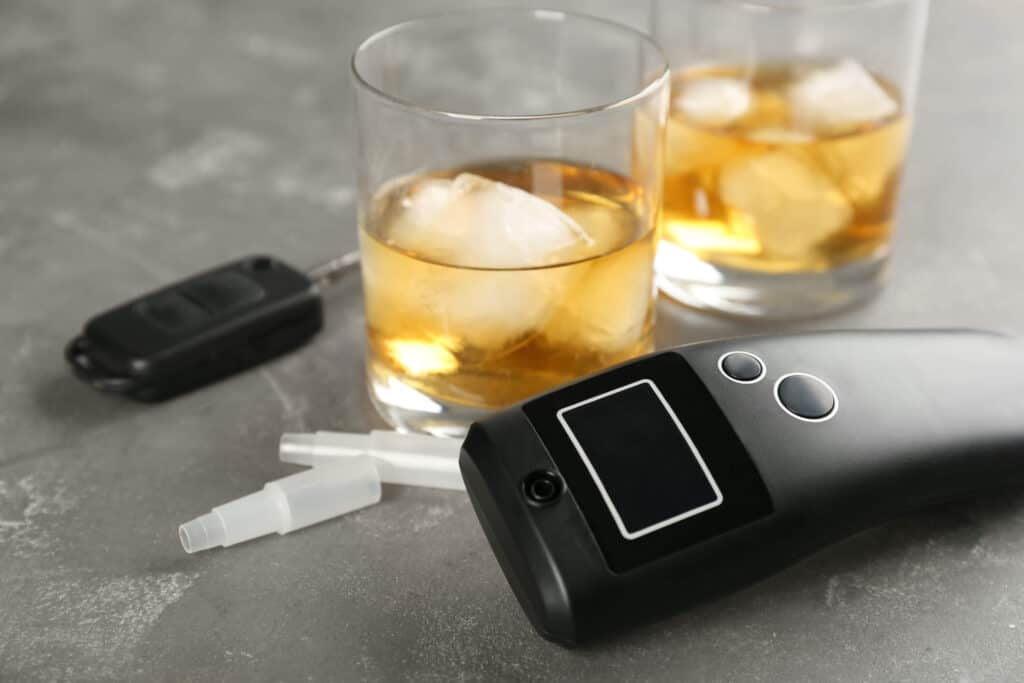
Under Nevada’s implied consent law—codified in NRS 484C.160—any person who drives a motor vehicle in the state is deemed to have consented to a preliminary breath test (PBT) and, if arrested, to an evidentiary breath, blood, or urine test to determine the presence of alcohol or controlled substances. Refusing a chemical test can result in serious legal and administrative consequences, even if a DUI conviction is never obtained.
What Happens If You Refuse Chemical Testing?
Refusal to submit to chemical testing after arrest can trigger an automatic administrative driver’s license revocation, handled by the Nevada Department of Motor Vehicles (DMV). According to NRS 484C.210:
- A first refusal results in a 1-year license revocation.
- A second or subsequent refusal within 7 years may result in a 3-year revocation.
This revocation is independent of any criminal prosecution and can occur even if DUI charges are never filed or are later dismissed.
Police May Obtain a Warrant for a Blood Draw
Nevada law allows officers to obtain a telephonic or written warrant to collect a blood sample if a suspect refuses a breath test. In cases involving death or serious bodily injury, NRS 484C.160(1)(c) allows officers to use reasonable force to obtain a sample without a warrant. These blood tests often provide sufficient evidence for a DUI prosecution.
DMV Hearing Rights
If your license is seized for refusal, you will receive a temporary permit valid for seven days. You must request a DMV administrative hearing within that window if you wish to contest the suspension. These hearings are distinct from your criminal court proceedings and follow administrative law standards.
Legal Penalties for Refusal
Although refusal to test is not a separate criminal charge, the court may consider it as a consciousness of guilt during the trial. Additional consequences may include:
- Higher fines and court fees
- Ignition interlock device requirements
- Mandatory DUI education
- Difficulty negotiating plea deals
If a driver holds a commercial driver’s license (CDL), refusal may trigger a 1-year disqualification, even if the DUI offense did not occur in a commercial vehicle.
Evidence Still Available Despite Refusal
Even without a chemical test, the prosecution can pursue DUI charges using other evidence, such as:
- Field sobriety test results
- Officer observations (e.g., slurred speech, smell of alcohol)
- Dashcam or bodycam footage
- Witness statements
- Open containers or drug paraphernalia in the vehicle
Medical or Procedural Defenses
A knowledgeable DUI defense attorney can investigate whether:
- The officer had probable cause for the stop
- The testing equipment was properly maintained and calibrated
- You were properly advised of the consequences of refusal
- You had a medical condition affecting your ability to comply
Improper procedures or a lack of probable cause may lead to the suppression of evidence or the dismissal of charges.
Tourists and Out-of-State Drivers
Nevada’s implied consent laws apply to all drivers, including tourists. If you are licensed in another state, Nevada may still report the refusal to your home state under the Interstate Driver’s License Compact (IDLC), resulting in additional penalties at home.
Legal Help Makes a Difference
Refusing a breathalyzer does not eliminate the risk of a DUI conviction and often complicates your legal situation. At Lipp Law LLC, our experienced DUI defense attorneys:
- Represent you in DMV hearings
- Challenge illegal stops or improper warrant procedures
- Fight for reduced charges or dismissal
- Help you protect your license and minimize penalties
Frequently Asked Questions
Can I refuse a breathalyzer without consequences?
No. Refusal leads to automatic license revocation and may hurt your defense in court.
Do I have to be convicted of DUI for my license to be suspended?
No. The DMV can revoke your license solely for refusal, regardless of the court outcome.
Can police force me to give a blood sample?
Yes, in specific situations, such as a serious injury crash or under a valid warrant.
Is refusal better than taking the test?
Generally no. Refusal may not prevent prosecution and usually complicates your defense.
Can my refusal be used against me in court?
Yes. The court may view refusal as an indication of guilt.
What if I’m from out of state?
You are still subject to Nevada’s laws. Your home state may also take action on your license.
For help defending against DUI charges or license suspension in Nevada, contact Lipp Law LLC for a consultation with an experienced attorney.
 Lipp Law LLC
 (702) 745-4700
 info@LippLaw.vegas

