

 CALL US NOW
 EMAIL US NOW


Field Sobriety Tests (FSTs) are a set of roadside tasks designed to help law enforcement officers determine whether a driver is impaired due to alcohol or drugs. These tests are a vital part of the DUI enforcement process. The primary goal is to assess a driver’s coordination, balance, and ability to follow instructions. Suppose a police officer suspects that a driver is under the influence. In that case, FSTs are used to determine impairment and to determine impairment and gather the information that can potentially lead to an arrest. The tests also evaluate the driver’s ability to perform specific tasks, such as walking a certain number of steps or standing on one foot, which indicate whether the driver is fit to operate a motor vehicle.
FSTs are typically performed on the roadside or in a location near the scene of the suspect drunk driving event. This allows officers to evaluate whether the driver’s physical state is consistent with intoxication. These tests are standardized and generally used to gather enough evidence to establish probable cause for an arrest. This impairment example is essential as it helps the officer decide whether further action is needed. The officer may advise the individual performing the test, paying close attention to any signs that indicate loss of coordination or inability to follow instructions. This evidence is crucial in court trials and the legal process surrounding DUI charges.
The Purpose of Field Sobriety Tests
When a police officer pulls over a vehicle and suspects that the driver is under the influence of alcohol or drugs, they often begin the assessment by asking the driver to step out of the car and perform a series of tasks that test their motor skills, coordination, and ability to follow instructions. These tasks are designed to be difficult for someone under the influence of alcohol or drugs and include tasks like walking in a straight line, standing on one leg, or following the officer’s finger with their eyes. For example, the driver may be asked to recite the alphabet, which tests their performance under pressure. The officer may also instruct the driver to tilt their nose or follow specific movements to assess their ability to process instructions and focus. The officer may also ask for the driver’s name, as this can help evaluate whether they are mentally coherent and able to recall basic information, all contributing to assessing their impairment. These tasks are essential tools for police officers in gathering evidence that can ultimately influence the country’s legal process surrounding DUI cases.
The reasoning behind these tests is that a person who is intoxicated will experience physical challenges while performing simple tasks. For instance, tasks requiring balance, coordination, and mental focus can be challenging to complete when a person is under the influence. When the tests are conducted properly, they help the officer determine whether the driver is too impaired to drive and whether an arrest is warranted. In some cases, a breath test may also be administered to confirm the presence of alcohol, while a THC test could be used to detect the influence of marijuana. Recent research shows that drivers under the influence of drugs like THC may also exhibit physical problems such as deviation from everyday movements. This is important because these tests help ensure that the law is enforced consistently. The tests also help establish evidence that can stand up to scrutiny in court, serving as a high bar for those who may attempt to challenge DUI charges.
Types of Field Sobriety Tests
Officers use several types of FSTs during a DUI stop, but the most common ones include the Horizontal Gaze Nystagmus (HGN) test, the walk-and-turn test, and the One-Leg Stand test. Each of these tests measures different physical and mental abilities that may be affected by alcohol or drugs. These tests are crucial in helping officers determine whether a driver’s blood alcohol concentration (BAC) exceeds legal limits. Various studies have shown that these tests are reliable indicators of impairment, as they assess balance, coordination, and mental focus, which are often the first abilities to be affected by alcohol or drugs. The results of these tests are also used to ensure that the laws surrounding DUI enforcement are adequately upheld.
Horizontal Gaze Nystagmus (HGN) Test
The HGN test is one of the most widely used tests for alcohol impairment. It involves the officer asking the driver to follow a pen or other object with their eyes as it moves from side to side. The officer is looking for signs of nystagmus, an involuntary jerking of the eyes. Nystagmus is a standard indicator of intoxication, especially with alcohol, and this test helps the officer determine whether there is likely impairment based on the movement of the driver’s eyes. During this test, the officer will also observe the angle and speed of the eye movements to assess the degree of impairment.
Walk and Turn Test
The Walk and Turn test involves the driver walking in a straight line, turning, and then walking back in the opposite direction. The officer is looking for signs of impaired balance, coordination, and the ability to follow instructions. This test involves both physical abilities and cognitive functions, as the driver must remember the steps, walk in a straight line, and complete the turn without stumbling. A failure to follow instructions or maintain balance is a common sign of intoxication.
One-Leg Stand Test
The One-Leg Stand test is another standard field sobriety test. The driver must stand on one leg and hold the other six inches off the ground for 30 seconds. The officer observes the driver’s ability to maintain balance during the task. Signs of imbalance, such as swaying or using arms for support, can indicate intoxication. This test is difficult for many people, and failure to pass may lead to further suspicion of DUI.
How Officers Administer Field Sobriety Tests
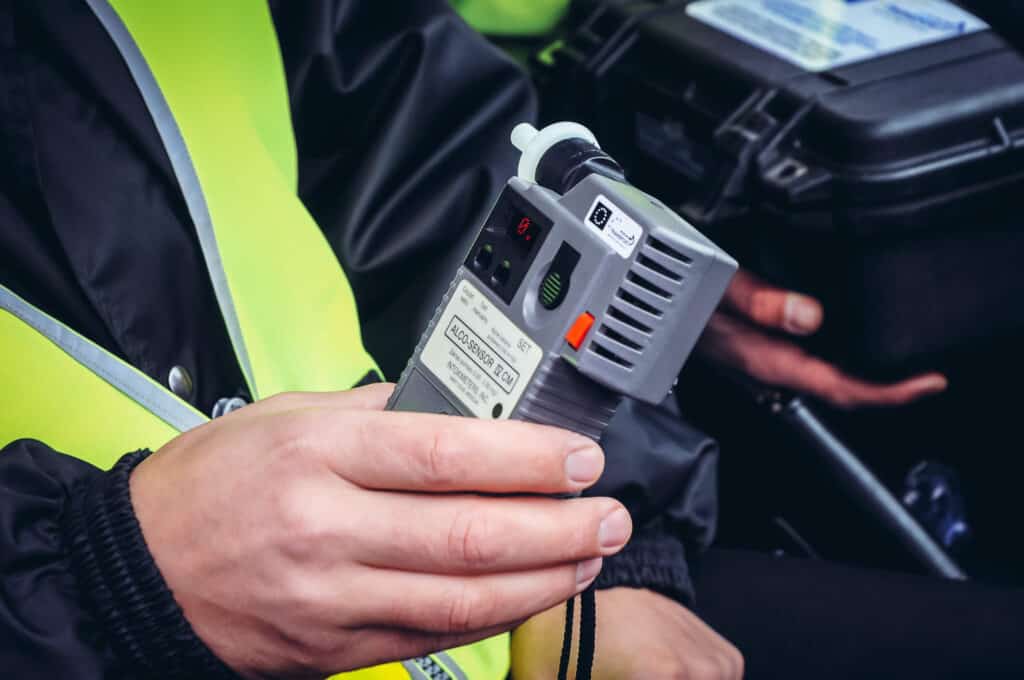
Officers are trained to administer FSTs in a standardized manner to ensure accuracy and fairness. The officer typically begins by providing clear ground instructions, explaining how the tests will be conducted and what is expected of the driver. This ensures that the driver understands the tests and allows the officer allows the officer to assess the driver’s ability to follow instructions. Field sobriety testing is crucial in determining impairment and is vital in legal proceedings, helping establish probable cause for an arrest. Proper administration of these tests helps avoid potential challenges to their validity, ensuring that results can stand up in court. Failing these tests can lead to severe fines and penalties, including losing driving privileges or even jail time. Studies have shown that the head movements involved in tests like HGN are significant indicators of impairment. Others may use the study of field sobriety testing as a reference to understand the consequences of impaired driving. In the event of non-compliance, there could be significant fines or penalties for refusing the tests, further stressing the importance of adhering to legal protocols.
Once the instructions are given, the officer may test the driver’s coordination and balance through tasks like the One-Leg Stand or Walk and Turn. The officer may also check for signs of intoxication in the eyes, such as jerking or a lack of focus, during the HGN test. Throughout the testing process, the officer will note various clues or indicators that point to intoxication, such as inability to stand still, jerking, or difficulty completing the tests. These signs are evidence of the driver’s impairment and may be used in court to support charges of DUI or DWI. If the driver refuses to take the tests, the consent law may apply, with refusal leading to penalties. In some states, including Ohio, drivers may face a range of consequences for refusal, including fines and other legal repercussions. Lawyers may advise clients on the potential consequences of refusing tests and how it impacts their case.
The Role of BAC in DUI Charges
One of the most critical pieces of evidence in a DUI case is the Blood Alcohol Content (BAC) level. When a driver fails an FST or displays signs of impairment, the officer may ask the driver to take a breathalyzer test to measure their BAC. The legal limit for BAC in most states is 0.08%, but the limit may be lower for specific drivers, such as commercial vehicle operators or minors. Officers use The gaze nystagmus test to assess impairment, checking for eye movement that can indicate intoxication. Officers must follow the correct procedure during testing to ensure accuracy, and they may need to document details about the driver’s condition, such as signs of injuries or difficulties with the test. Sometimes, an OLS (One-Leg Stand) test is part of the process. These procedures and additional tests help officers determine coordination, balance, and cognitive function impairment.
If the breathalyzer or other testing confirms that the BAC is above the legal limit, the officer may have sufficient evidence to make an arrest. However, it’s important to note that FSTs are only one part of the evidence used in a DUI case. The officer will also consider other factors, such as the driver’s behavior, eye gaze, speech, and ability to follow instructions. All these elements help form the basis for the officer’s suspicions and, ultimately, the arrest decision. In cases where drug impairment is suspected, such as in Drug Crimes Defense, officers may also look for signs of intoxication from substances other than alcohol. Suppose the driver is in North Carolina or other parts of the U.S.. In that case, specific laws will apply regarding impairment and testing procedures, influencing how evidence is gathered and used.
Legal Implications of Field Sobriety Tests
If you are arrested for DUI after failing a field sobriety test, it is crucial to understand the legal implications. While FSTs are a tool used by law enforcement officers to determine intoxication, they are not foolproof. Factors such as the driver’s age, physical disabilities, nervousness, or weather conditions may affect the results of the tests. Sometimes, these factors may lead to a failed test even if the driver is not impaired. Alcohol consumption or other substances may affect coordination and balance, but these factors are not always indicative of impairment. Drivers facing such situations should seek assistance from lawyers to determine whether their rights were violated during the arrest process and if the police correctly followed procedures. Proper legal guidance can help challenge the test results and the arrest.
The results of FSTs can play a significant role in the legal process, mainly if the case goes to trial. An experienced attorney may challenge the results of the tests, especially if there are questions about the officer’s procedures, the accuracy of the tests, or the circumstances surrounding the arrest. For instance, an officer may have failed to follow standard instructions when administering the test, which can lead to an argument that the evidence gathered is inadmissible in court. If the officer did not correctly assess the suspect’s ability to perform the tasks due to factors like ground conditions or physical disabilities, the case could be weakened. Additionally, if the officer lacked probable cause to ask the driver to perform the tests in the first place, such as insufficient signs of intoxication, the arrest could be challenged. The law requires that officers follow proper procedures when conducting tests like the Walk and Turn or One-Leg Stand and any deviation can be used to argue that the results are not accurate or fair.
Defenses Against DUI Charges
Several defenses can be raised in response to a DUI charge based on field sobriety tests (FSTs). One common defense is challenging the accuracy of the tests, which can be affected by external factors such as weather conditions, roadway surface, or physical impairments like age or injury. An experienced DUI lawyer may argue that the officer failed to follow proper procedures, rendering the results unreliable. For example, the officer could have missed critical signs like jerking, coordination, or issues with balance during the HGN test, or the suspect may have failed the walk-and-turn or one-leg stand due to factors unrelated to intoxication, such as a disability.
Another defense could be questioning the officer’s training in administering FSTs. If the officer lacked proper training, the tests may not have been conducted correctly. Additionally, a DUI Defense lawyer may present expert testimony to challenge the officer’s findings and argue that the evidence gathered during the tests is unreliable. For instance, research into the effects of THC or other drugs on a person’s coordination and balance may reveal that the suspect’s performance was affected by something other than alcohol, which could weaken the prosecution’s case.
Issues with breathalyzer or blood tests can also serve as a defense. If the breathalyzer was not calibrated correctly or the blood alcohol content (BAC) was misinterpreted, the defense can argue that the evidence should be excluded. The defendant’s rights must also be considered during the arrest and testing procedures, and any violations could lead to the evidence being thrown out. A skilled DUI lawyer will carefully review all the details surrounding the test and procedure, questioning whether the officer adhered to field sobriety testing laws, potentially leading to a favorable outcome for the defendant.
Contact Lipp Law LLC for Experienced DUI Defense
If you’ve been arrested for DUI or another related offense, Lipp Law LLC provides an experienced and aggressive defense. Whether you are facing charges for drunk driving, drug-related crimes, or drug conspiracy defense, we have the expertise to guide you through the complex legal process. From field sobriety tests to breathalyzer tests, our team will thoroughly investigate the circumstances of your case, including tests, officers’ ground instructions, line level tests, alcohol balance, nystagmus, and blood test results, as well as any clues or evidence gathered, to provide the most vigorous possible defense. We will carefully examine whether the officer followed proper procedures and whether the test results, including jerking, coordination, and eye movements, were accurately recorded.
Our team will also review the suspect’s behavior, including whether tasks were too complex due to factors unrelated to intoxication, such as injuries or physical conditions. If there are questions about impaired performance during the field sobriety test or any deviation in the number of steps taken, we will raise those points. We understand that intoxication may not always be the cause of a failed test and are ready to challenge the results in court. We will analyze the motor vehicle stop, the officer’s observations, and the BAC levels to ensure no rights violations occurred.
Don’t wait to seek legal help. Contact Lipp Law LLC today to schedule a consultation and protect your rights in the face of serious criminal charges. Whether you’re facing charges related to drunk driving, drugs, or impaired driving, our team is ready to defend you against any DUI charges and work toward a favorable outcome for your case.
Frequently Asked Questions
Can a driver refuse to take a Field Sobriety Test?
You can refuse to take a Field Sobriety Test in most states. However, refusal may lead to penalties such as license suspension, and the officer may still arrest you based on other evidence of impairment.
How do weather conditions impact the results of Field Sobriety Tests?
Adverse weather conditions, such as rain, snow, or strong winds, can make it difficult for a driver to perform Field Sobriety Tests correctly. These tests are designed for ideal conditions, and poor weather can impact balance and coordination, potentially leading to inaccurate results.
What happens if you fail a Field Sobriety Test but are not arrested?
Suppose you fail a Field Sobriety Test but are not arrested. In that case, the officer may issue a citation or request additional tests, such as a breathalyzer or blood test, to determine if you’re over the legal limit. Your driving privileges could also be affected.
Are there any physical conditions that can cause a person to fail a Field Sobriety Test even if they’re not impaired?
Certain physical conditions, such as injuries, balance disorders, or neurological conditions, can affect a person’s ability to perform well on Field Sobriety Tests. For example, people with inner ear issues may have trouble with balance-related tests.
What is the legal process if you are arrested based on a failed Field Sobriety Test?
If you’re arrested after failing a Field Sobriety Test, you will be taken to a police station where you may undergo a chemical test (breath, blood, or urine). You will be booked, and a court date will be set for your DUI hearing. You have the right to legal representation during this process.
Do Field Sobriety Tests vary from state to state?
While the National Highway Traffic Safety Administration (NHTSA) standardizes certain field sobriety tests, specific procedures and additional tests may vary by state. Some states may have unique protocols or laws regarding sobriety testing.
Can a Field Sobriety Test be used as evidence in a DUI case if the officer didn’t follow the correct procedure?
If an officer does not follow proper procedures when administering a Field Sobriety Test, the results may be challenged in court. The evidence could be deemed inadmissible if the procedure was not standardized or adequately conducted.
How reliable are Field Sobriety Tests in detecting impairment from drugs other than alcohol?
Field Sobriety Tests are primarily designed to detect impairment from alcohol, but they are less reliable in detecting drug impairment. Drugs may affect a person’s motor skills differently, and the tests may not accurately reflect the level of impairment caused by certain substances.
What is the role of a DUI lawyer in challenging the results of a Field Sobriety Test?
A DUI lawyer can help challenge the validity of the Field Sobriety Test results by questioning the accuracy of the test, the conditions under which it was performed, and whether the officer followed proper procedures. A skilled lawyer can also present evidence of medical conditions or environmental factors that may have affected the results.
Can a driver be arrested for DUI if they pass a Field Sobriety Test but their BAC is over the legal limit?
Yes, a driver can still be arrested for DUI if they pass a Field Sobriety Test but have a BAC over the legal limit (0.08% in most states). A BAC test is a more definitive measure of impairment, and if the BAC is above the legal threshold, the driver may face DUI charges, regardless of the results of the Field Sobriety Test.


 Lipp Law LLC
 (702) 745-4700
 info@LippLaw.vegas

