

 CALL US NOW
 EMAIL US NOW


At Lipp Law LLC, we understand how overwhelming and disorienting a DUI arrest can feel. The situation unfolds quickly, emotions run high, and the decisions made in the minutes, hours, and days that follow often shape the entire trajectory of a person’s case. We have represented numerous individuals who unknowingly compromised their defense simply because they didn’t understand the legal process, their rights, or the potential pitfalls that can arise after an arrest. This introduction lays the groundwork for understanding the most common mistakes people make after a DUI arrest and how our guidance, experience, and strategic approach can help protect your future and strengthen your defense from day one.
Immediate Missteps That Escalate the Situation
At Lipp Law LLC, we have seen countless DUI cases unravel because people make critical mistakes in the earliest moments following an arrest. The situation often feels overwhelming—blue lights in your face, police officers issuing commands, adrenaline rushing, and the uncertainty of what comes next. Yet the steps taken in these first minutes can strongly influence the outcome of your case.
One of the first missteps occurs right at the traffic stop. Many drivers inadvertently make statements that create unnecessary evidence for the prosecution. Someone might say they had “one drink,” or admit to feeling tired, or even apologize—believing cooperation will earn leniency. These statements, though well-intended, become part of the record and are often used to justify DUI charges or support the officer’s interpretation of field sobriety tests and other roadside tests.
We guide our clients to remember that while individuals must comply with lawful orders, they don’t have to volunteer any information beyond the required identifying details. A calm approach, silence beyond the essentials, and respectful cooperation provide the strongest foundation for a sound legal defense later.
Social Media Actions That Damage the Case
Another frequent and harmful mistake occurs long before anyone enters court: posting on social media. We’ve handled more than one DUI case where a client posted statements, photos, or story updates online, only to have prosecutors use those posts to influence judges, question credibility, or challenge the defense attorney’s arguments.
In today’s legal environment, attorneys must anticipate that almost anything shared publicly becomes vulnerable to misinterpretation. A harmless post meant to reassure friends can create the appearance of a lack of seriousness, guilt, or disregard for the legal process, which may affect sentencing, plea negotiations, or court appearances.
Our advice is simple: once a DUI arrest occurs, individuals should freeze their online presence. No posts, no comments, no subtle references, and no resharing old driving or alcohol-related memories. The best strategy is always caution.
Delayed Legal Representation That Reduces Defense Options
One of the most damaging mistakes after a DUI arrest is waiting too long to consult a qualified DUI lawyer. We frequently encounter cases where individuals believe the charges will “work themselves out” or assume the court will show leniency to a first-time DUI offender. Unfortunately, the legal system does not function in this manner.
The window to protect a driver’s license, safeguard driving privileges, fight license suspension, respond to a DMV notice, or challenge field sobriety tests can be extremely narrow. Some states allow only a matter of days to request an administrative hearing. Missing this deadline can automatically activate a suspension, regardless of the outcome of the criminal trial.
When we step in early, we can gather evidence, evaluate police actions, document errors, analyze requirements, and build a comprehensive defense. Early consultation enables us to explore a broader range of options, secure crucial details, and pursue the most favorable outcomes.
Inadequate Understanding of Legal Rights and Defenses
Following a DUI arrest, many individuals underestimate the strength of their legal rights. Some believe that once the officer initiates charges, the case is already lost. Others assume that the police officers performed every test, step, and procedure correctly. In reality, DUI defense strategy often turns on the officer’s own actions, a device’s calibration, or failures to follow statutory requirements.
We routinely uncover issues with field sobriety tests, improper test administration, mistakes in statements, lack of probable cause, and weaknesses in the officer’s interpretation of observed behaviors. The law provides numerous defenses, but pitfalls arise when individuals are unaware of their rights and fail to preserve evidence that demonstrates the difference between what happened and what was documented.
With our experience, we help people understand the law, their obligations, their chances, and the strongest path forward for them. Knowledge directly impacts confidence and long-term results.
Missed Court Dates and Failure to Follow Legal Directions
Another extremely damaging mistake involves procedural oversights, such as missing court dates, ignoring warrant notices, or failing to follow legal instructions. When people overlook these requirements, they often come to us later with questions about why a simple DUI charge suddenly escalated. A missed date can lead to a bench warrant, additional offense considerations, restrictions, or even an arrest at home or work. The impact on a person’s job, family life, and financial stability can be substantial, and what began as a single mistake can quickly turn into far more serious trouble.
As a dedicated DUI attorney team, we help our clients stay organized by providing clear schedules and reminders to ensure they are well-prepared. We ensure that every hearing, meeting, and filing deadline is met. Commitment to these procedural details often makes the difference between a controllable case and a significantly worsened legal situation, giving each client the best possible chance at a positive outcome.
Incorrect Assumptions About Penalties and Sentencing
We often see individuals misunderstand the penalties, fines, and potential sentence they face after a DUI conviction or plea. Some expect minimal consequences because they know others who received probation or lighter outcomes. However, every case involves unique circumstances, such as a prior record, the level of impairment, the presence of minors, accidents, or the driver’s actions during the stop. All of these factors can significantly influence both the legal process and the long-term stigma associated with a conviction, including threats to a person’s driver’s license.
Without understanding the full range of penalties, people may unknowingly accept plea deals that increase long-term harm—such as extended probation, alcohol education requirements, ignition interlock devices, or insurance rate increases. As a dedicated DUI defense attorney team, we take the time to review every detail, evaluate outcomes, and ensure clients understand everything that could affect their future. Our careful review and strategic guidance help keep individuals from making decisions that carry consequences far beyond the courtroom.
Failure to Prepare Properly for Court Appearances
Courtroom preparation is another crucial factor. Individuals sometimes appear in court without proper attire, organization, documentation, or understanding of the legal process. These errors can influence judges, affect credibility, or weaken negotiation opportunities. The effects of these missteps can be significant, especially for a person already navigating the legal complexities of a DUI case and previous interactions with law enforcement.
We prepare our clients thoroughly. We provide detailed information about the process, expected courtroom behaviors, necessary documents, and the statements that should be made or avoided. Preparedness demonstrates responsibility, seriousness, and respect for the legal system, helping clients enter the courtroom with clarity and confidence.
Lack of Action in Addressing Administrative License Issues
The administrative side of a DUI case often comes as a surprise to individuals. Even if criminal charges are eventually dismissed, a separate administrative process can still impact driving privileges and lead to a license suspension. Individuals who fail to fulfill their DMV obligations may face automatic penalties, regardless of the outcome in court.
We ensure our clients do not overlook the DMV or other administrative entities. Our defense strategy includes timely submissions, hearing requests, and complete procedural compliance to protect our clients’ right to drive.
Misunderstandings About the Influence of Alcohol Tests
Many individuals believe breath, blood, or urine tests are infallible. In reality, these tests—particularly roadside field sobriety tests—are subject to human interpretation and administrative oversight. Officers may conduct tests improperly, machines may malfunction, and external factors may influence results.
We frequently challenge test-related evidence. Whether it’s calibration records, officer training, device maintenance, or environmental factors, we know how to examine every detail. Understanding the distinction between reliable scientific results and flawed procedures is crucial to a robust defense against DUI charges.
Ignoring the Long-Term Consequences of a DUI Conviction
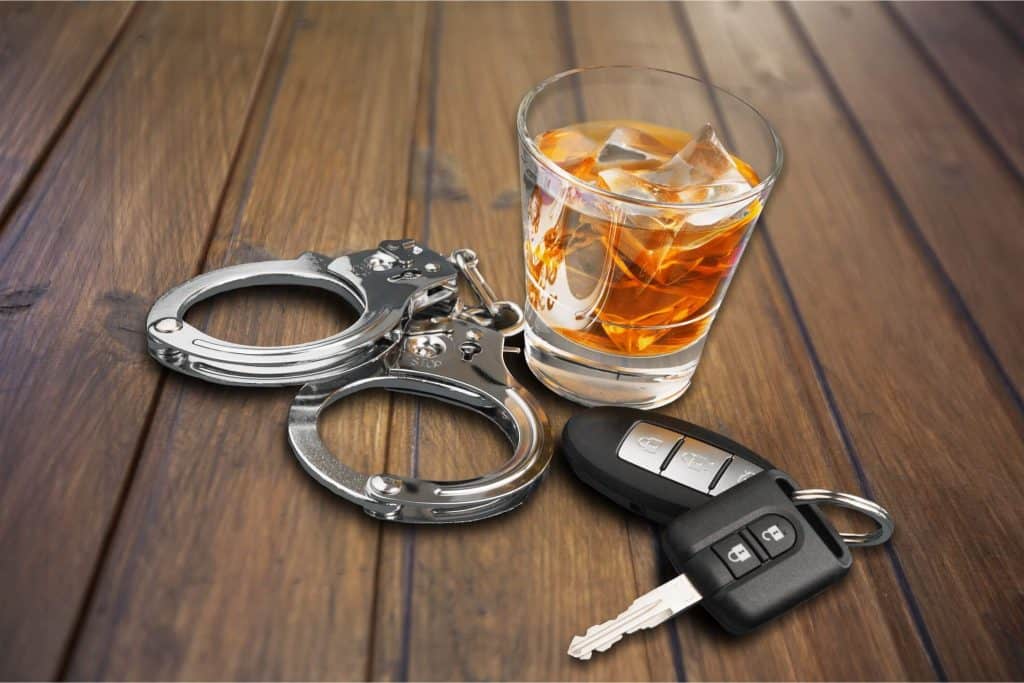
Some individuals make choices early in the process without considering long-term consequences. A DUI conviction can affect employment opportunities, professional license considerations, insurance rates, driving privileges, travel, and personal record implications.
We help our clients weigh every step with their future in mind. While short-term relief might feel appealing—such as quickly accepting a plea—our role is to evaluate the actual impact over years, not weeks.
Poor Communication and Lack of Transparency With Legal Counsel
We can offer the most vigorous defense when our clients are open and transparent. Sometimes, individuals withhold details because they believe something is irrelevant or because they feel embarrassed. In reality, even small details—such as timing, location, physical condition, interactions with officers, or the presence of others—can dramatically alter the legal landscape.
Our role is not to judge but to advocate. We encourage complete honesty so that we can develop the most effective and strategic approach to each case.
Mismanaging Probation or Court-Ordered Requirements
After sentencing, individuals may face probation, treatment programs, classes, community service, ignition interlock requirements, or regular reporting obligations. Missing a single requirement, skipping a meeting, or misunderstanding the directions from probation officers can lead to new charges, extended supervision, or suspension of privileges.
We provide clear, structured support to ensure that all legal obligations are met. Compliance is essential not just to avoid further penalties but also to demonstrate rehabilitation and reliability within the legal system.
Underestimating the Value of Personalized Legal Strategy
Every DUI case is unique. Differences in officer behavior, roadside conditions, device reliability, personal ability, procedural steps, and environmental factors all play a role. A one-size-fits-all approach to DUI defense is ineffective and often detrimental.
Our firm takes a customized approach to every client. We analyze every action, every statement, every test, every procedural step, and every potential weakness in the state’s case. With our depth of experience, resources, and commitment, we ensure that clients receive the strongest possible representation.
Conclusion: Strong Legal Defense Begins With Informed Choices
Avoiding these common mistakes is crucial for protecting your rights, reputation, driving privileges, and future. At Lipp Law LLC, we leverage our expertise in DUI laws, courtroom procedures, administrative rules, and defense strategies to help individuals navigate even the most complex circumstances.
A DUI arrest is a serious legal matter—but with prompt guidance, careful decisions, and committed representation, the outcome can be significantly improved. When people turn to us, they gain more than an attorney; they gain an advocate dedicated to protecting their rights and building the strongest possible defense.
If you or someone you know has been arrested for DUI, we are here to provide the legal support, strategic insight, and personalized guidance needed to move forward with confidence.
Frequently Asked Questions (FAQs)
1. What are the consequences of refusing a breath, blood, or urine test after a DUI stop?
Many people are unaware that refusing to undergo testing can result in immediate administrative penalties, including license suspension, fines, or enhanced charges—even before a criminal trial has begun.
2. What should I do if the police made a mistake during my DUI stop?
Procedural mistakes, like a lack of probable cause or improper test administration, can significantly weaken the prosecution’s case. Knowing how to document and report these errors without incriminating yourself is essential.
3. How can prior convictions or driving history impact my current DUI case?
Even a first DUI can be affected by prior traffic offenses, license suspensions, or criminal history. People often underestimate the impact of prior incidents on fines, penalties, and sentencing.
4. What role do eyewitnesses or passengers play in my defense?
Witness accounts—friends, passengers, or bystanders—can contradict officer statements or provide context that strengthens your case. Many people fail to preserve these accounts early.
5. How do alcohol or prescription medications affect legal outcomes?
Not everyone understands that prescription drugs or even over-the-counter medications can impact BAC results or field sobriety tests. Proper documentation of medical conditions can be crucial for your defense.
6. Is it okay to talk to the insurance company after my DUI?
Speaking to your auto or life insurance company without legal guidance can inadvertently confirm liability or provide statements that harm your case. Knowing what to disclose—and what not to—is vital.
7. What happens if my DUI stop happened in one state but I live in another?
Interstate DUI cases involve additional complications, including license reciprocity, reporting requirements, and penalties in both states. Many people are unaware that these factors can multiply consequences.
8. How does DUI affect professional or occupational licenses?
Certain professions—truck drivers, healthcare workers, pilots, and public safety personnel—face stricter scrutiny after a DUI. Early legal intervention can help minimize career-impacting penalties.
9. Can I contest a DUI based on improper calibration or maintenance of testing devices?
Breathalyzers and other chemical testing devices require regular calibration to ensure accurate results. Evidence of malfunction or improper maintenance can be a critical defense, but many clients don’t realize they need this information early.
10. What steps should I take immediately after being released from arrest to protect my rights?
From gathering witness statements to limiting social media activity and documenting events, immediate post-arrest actions can be pivotal. Many people inadvertently weaken their defense in the first 24–48 hours.



 Lipp Law LLC
 (702) 745-4700
 info@LippLaw.vegas

