

 CALL US NOW
 EMAIL US NOW


At Lipp Law LLC, we understand that facing criminal charges in Nevada can be overwhelming. Many of our clients ask us how long it takes for a criminal case to go to trial, and the timeline depends on multiple factors, including the type of offense, the complexity of the investigation, the statute involved, and the jurisdiction where the case is filed. From the moment of arrest through arraignment and subsequent hearings, the process involves motions, negotiations, and sometimes continuances that can affect the overall schedule. Even one detail—such as the place of a court appearance or the specific statute under which a charge is filed—can influence how long it takes to reach trial.
Our goal is to help clients in Las Vegas and across Nevada understand their rights, options, and what to expect at every step. We guide clients through plea deal discussions, provide advice on motions and continuance, and ensure they understand how each decision—from negotiating with the prosecutor to preparing for sentencing—impacts the overall case timeline. By carefully explaining the legal process, the place of each hearing, and the potential outcomes, we empower our clients to make informed choices and protect their rights throughout the criminal justice system.
Criminal Cases Start With an Arrest or Charge
Every criminal case in Nevada begins with a law enforcement action. Anyone may face arrests at the scene of an alleged crime, or officers may execute an arrest warrant based on probable cause. Following an arrest, the person is booked, fingerprinted, and taken into custody. The bail amount may be set at this time, or the defendant may be released on recognizance. The types of offenses—misdemeanor or felony—can influence the bail amount, the hearings required, and the potential sentence if convicted.
We ensure that our clients understand their rights from the moment of arrest and provide guidance on the available services throughout the process. The arrest marks the official start of the legal process and triggers multiple hearings, including arraignments and possible bail hearings. Each section of the court process contains important content that can affect outcomes, and we work to remove any doubt by advising clients on the steps they must take. From the first phone call to court appearances, we make sure every person we represent fully understands their rights and responsibilities in the criminal justice system.
Arraignment Sets the Stage for the Case
The arraignment is the first formal court appearance after an arrest or charge. At this stage, the defendant is informed of the charges, the court explains their rights, and the defendant is asked to enter a plea. Our experienced defense lawyer attends all arraignments to advise clients on plea options, review the evidence, and explain the potential punishments or other consequences of each decision. The victim’s rights and statements are also considered during this process, ensuring a fair evaluation of the case.
We also use arraignments to evaluate the prosecution’s evidence. Early review of the complaint, police reports, fingerprints, and other information helps us identify weaknesses and plan a defense strategy. At times, additional investigation into drugs, people involved, or other relevant facts is necessary. This stage is critical, as it can influence bail decisions, pretrial custody, and the overall direction of the case. Clients benefit from our guidance at every step, ensuring they fully understand the implications of each law that applies to their situation.
Investigations and Evidence Affect Case Timing
After the arraignment, the investigation phase continues. Police, prosecutors, and sometimes federal agencies gather evidence, interview witnesses, and compile information related to the offense. The nature of the crime—whether DUI, drug offenses, violent felonies, or misdemeanors—determines the scope of the investigation. During this phase, a pretrial conference may be scheduled to discuss procedural issues, review a motion, or address concerns raised by the victim.
We actively review all available evidence, request discovery, and ensure our clients’ rights are protected. Delays in the investigation or the need for additional evidence can affect the trial timeline. For example, complex white-collar crimes or cases with multiple witnesses may take longer than straightforward misdemeanor offenses. We focus on the things that matter most for building a strong defense and safeguarding the interests of our clients and the victim.
Scheduling Hearings Determines the Court Timeline
Nevada courts schedule various hearings throughout the criminal process, including motions, pretrial conferences, and evidentiary hearings. These hearings provide opportunities for both sides to resolve issues, request continuances, or negotiate plea deals.
We participate in every hearing to advocate for our clients and protect their interests. The court’s docket, the judge’s availability, and scheduling conflicts with prosecutors or defense attorneys can also influence the timeline. Multiple hearings, continuances, and motions may extend the case, sometimes for months or even longer.
Plea Negotiations Can Shorten or Extend the Process
Many criminal cases in Nevada are resolved through plea bargains rather than going to trial. Prosecutors may offer plea deals in exchange for a guilty plea, reduced charges, or alternative sentencing options like probation or community service.
We evaluate each plea offer carefully, considering the strength of the evidence, the severity of the offense, and the potential penalties. Our clients rely on us to explain the implications of accepting a plea versus contesting the charges in court. While plea negotiations can shorten the timeline to resolution, complex cases may require extended negotiations, affecting when—or if—the case goes to trial.
District Court Manages Serious Felonies
In Nevada, felonies and serious offenses are typically handled in district court. The district court oversees all major pretrial proceedings, motions, jury selections, and bench or jury trials. Our defense attorneys regularly appear in district court to represent clients, protect their rights, and ensure fair proceedings.
The type of felony, prior criminal history, and the complexity of the case influence the district court’s timeline. Some cases may move quickly, while others take months to reach trial due to discovery disputes, expert witness preparation, or procedural motions.
Misdemeanor Cases Follow a Streamlined Process
Misdemeanors, on the other hand, are generally handled more quickly. Many misdemeanor cases in Las Vegas are resolved in municipal or justice courts. Our clients charged with misdemeanors can expect arraignments, hearings, and possible plea negotiations in a relatively short period.
Despite the faster process, we emphasize thorough defense representation. Even minor offenses can impact a client’s record, employment, and future opportunities. We help our clients understand the consequences of all outcomes, including fines, probation, community service, and jail time.
Grand Jury Proceedings Determine Indictments
In serious felony cases, a grand jury may review evidence to decide whether to issue formal charges. The grand jury evaluates police reports, witness statements, and other information presented by the district attorney.
We advise clients on their rights during this phase, ensuring they understand the implications of grand jury proceedings. While the grand jury process can extend the timeline, it is an essential step in establishing probable cause and determining whether the prosecution can move forward.
Pretrial Motions and Discovery Affect Trial Readiness
Before trial, both the defense and prosecution file motions to resolve legal questions, suppress evidence, or request additional information. Discovery allows both parties to exchange evidence, witness lists, and other case-related details.
We carefully review all motions and discovery materials to identify weaknesses in the prosecution’s case and prepare a strong defense. This phase can significantly influence the overall timeline, as courts must schedule hearings on motions and allow adequate time for responses.
Jury Selection and Bench Trials Establish Trial Type
Once pretrial matters are resolved, the case moves toward trial. Defendants in Nevada can face either a jury trial or a bench trial, depending on the circumstances. Jury trials involve selecting impartial jurors, presenting evidence, and examining witnesses, while bench trials are decided solely by a judge.
We guide our clients through the trial process, explaining each step, the role of witnesses, and how evidence will be presented. Jury selection alone can take days, particularly in complex cases. Preparing for trial also involves strategizing around plea offers, motions, and potential defenses.
Factors That Influence Case Timeline
Several factors affect how long it takes for a criminal case to go to trial in Nevada:
- Severity of the Offense: Felonies often require longer timelines than misdemeanors.
- Complexity of Evidence: Cases involving multiple witnesses, forensic testing, or expert testimony take more time.
- Court Scheduling: Dockets, judges’ availability, and continuances affect timing.
- Prosecutor Decisions: The discretion of the district attorney or state prosecutor can accelerate or delay proceedings.
- Defense Strategy: Filing motions, requesting discovery, or challenging evidence may extend the timeline.
We consider all these factors when advising clients and setting expectations for the case process. Understanding these variables allows us to provide realistic guidance about potential outcomes and timeframes.
Sentencing Follows Conviction or Plea
If a defendant is found guilty or pleads guilty, sentencing follows. Judges consider the nature of the crime, the defendant’s criminal history, and other circumstances. Possible penalties include jail, probation, fines, community service, or restitution.
We advocate for fair sentencing and explore alternatives that may reduce the impact on our clients’ lives. As a trusted DUI lawyer in Las Vegas, we have extensive experience handling DUI cases, drug offenses, theft, and other crimes, which allows us to negotiate favorable outcomes whenever possible.
Appeals Provide a Second Opportunity
After conviction and sentencing, defendants have the right to appeal. Appeals challenge legal errors or procedural issues that may have affected the trial’s outcome.
We provide representation during the appeals process, reviewing motions, filings, and trial records to identify grounds for appeal. While appeals do not guarantee a different outcome, they are an essential safeguard in the Nevada legal system.
Las Vegas and Nevada Courts Handle Cases Differently
Criminal cases in Las Vegas often follow procedures similar to those in other Nevada jurisdictions, but local rules, court resources, and case volumes can influence the timeline. At Lipp Law LLC, we have extensive experience in Las Vegas, NV, district courts, and municipal courts, giving us insight into how judges, prosecutors, and clerks manage cases.
We guide our clients through local procedures, ensuring compliance with deadlines, court appearances, and filings. Understanding the nuances of Las Vegas courts helps us anticipate potential delays and prepare for every phase of the case.
Defense Attorneys Are Critical to Case Outcomes
Having an experienced defense attorney can impact the duration and outcome of a criminal case. We advocate for our clients at every stage—from arrest and arraignment to trial, plea negotiations, and sentencing.
Our representation ensures that defendants’ rights are protected, evidence is challenged when appropriate, and informed decisions are made throughout the process. Skilled attorneys can negotiate favorable plea deals, request reductions in bail, and prepare strong defenses to contest charges.
Key Steps in the Nevada Criminal Process
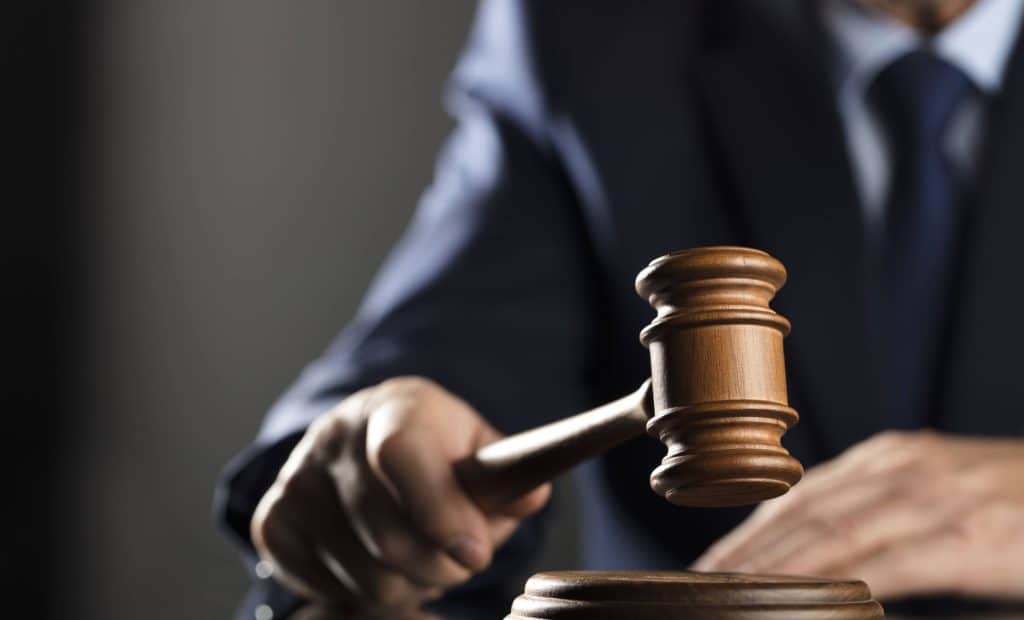
The general steps of a criminal case in Nevada include:
- Arrest and Booking – Law enforcement takes the defendant into custody.
- Initial Court Appearance – The defendant is informed of charges, and bail decisions are made.
- Arraignment – Plea entry and rights explanation.
- Investigation and Discovery – Gathering and reviewing evidence.
- Pretrial Motions – Filing challenges and requests for information.
- Hearings and Conferences – Resolving procedural issues or negotiating pleas.
- Trial – Jury or bench trial, presenting evidence and witnesses.
- Verdict and Sentencing – The judge or jury determines guilt and penalties.
- Appeals – Review of legal or procedural errors.
We help clients navigate each step efficiently, ensuring they understand their rights, obligations, and potential outcomes.
Timing Varies Widely by Case Type
The timeframe from arrest to trial can range from a few months to over a year. Misdemeanor cases often resolve quickly, while felony cases with multiple defendants, complex evidence, or extensive investigations may take much longer.
Factors such as continuances, prosecutor availability, and court congestion also play a role. Our team provides realistic timelines and continuous updates to clients so they know what to expect at each stage.
Protecting Rights at Every Stage
We focus on protecting the rights of defendants, including the right to counsel, the right to a fair trial, and the right to challenge evidence. From arraignment to appeals, we ensure our clients’ legal protections are upheld and that decisions are made with a full understanding of potential consequences.
Experienced Defense Leads to Better Outcomes
Our experience in Las Vegas and Nevada courts has taught us that thorough preparation, strategic decisions, and proactive representation can significantly influence case outcomes. Whether negotiating a plea bargain, challenging evidence, or preparing for trial, our goal is to protect our clients’ freedom, reputation, and future opportunities.
Call Us for a Consultation
If you or someone you know is facing criminal charges in Nevada, we encourage you to call our office. We provide personalized consultations to explain the process, review charges, and discuss defense strategies. Our team is dedicated to guiding clients through every phase of the legal system and helping them make informed decisions.
Conclusion: Case Timelines Depend on Multiple Factors
In summary, the time it takes for a criminal case to go to trial in Nevada varies widely depending on the offense type, court schedules, the complexity of the evidence, and prosecutorial discretion. At Lipp Law LLC, we support clients through every step—from arrest and arraignment to trial, plea negotiations, sentencing, and appeals.
Understanding the process, knowing your rights, and having experienced defense attorneys by your side make navigating the criminal justice system more manageable. Our clients in Las Vegas, NV, and throughout the state rely on us to provide clear guidance, skilled advocacy, and committed representation.
We are here to answer questions, review charges, and protect your rights. Call us today to schedule a consultation and learn how we can help you through this challenging time.
Frequently Asked Questions (FAQs)
What is the difference between a bench trial and a jury trial in Nevada?
A bench trial is decided solely by a judge, while a jury trial involves a panel of impartial jurors determining guilt. Choosing between trial types depends on the specifics of the case and strategic considerations.
Can a criminal case in Nevada be dismissed before going to trial?
A case can be dismissed for insufficient evidence, procedural errors, or other legal issues. Early review of the prosecution’s evidence can reveal potential grounds for dismissal.
How does a defendant’s prior criminal history affect the trial timeline?
A prior criminal record can influence pretrial proceedings and sentencing considerations. Repeat offenders may experience longer case timelines than first-time defendants.
What happens if a defendant misses a court appearance in Nevada?
Missing a court appearance can result in additional charges, an arrest warrant, or bail revocation. Immediate legal action is required to address missed appearances and minimize consequences.
How do continuances impact the overall case schedule and outcomes?
Continuances can delay the trial for weeks or months, depending on court schedules and the reason for the request. They can provide additional time to prepare a defense, but may also prolong the resolution of the case.
Can a defendant change their plea after initially pleading guilty or not guilty?
Under certain circumstances, a plea can be amended before sentencing or before the trial begins. Legal counsel can evaluate whether changing a plea improves potential outcomes.
How do prosecutors decide whether to offer a plea deal or take a case to trial?
Prosecutors assess the strength of the evidence, the seriousness of the offense, and the defendant’s history when offering a plea deal. Strategic negotiation can influence the terms and potential penalties of any plea.
What role do expert witnesses play in extending or shortening trial timelines?
Expert witnesses provide testimony on technical or complex issues, which may require additional preparation and scheduling. Their involvement can significantly affect how long it takes to prepare and present the case.
Are there differences in trial timelines for first-time offenders versus repeat offenders?
First-time offenders may experience faster pretrial proceedings, while repeat offenders often face more scrutiny and extended timelines. Case complexity and prior history are key factors in determining the timeline.
How can a defense lawyer challenge the evidence collected by the police or prosecution?
A defense lawyer can file motions to suppress evidence obtained improperly or challenge the reliability of witness statements and forensic results. Careful review of all evidence is critical to protecting a defendant’s rights.


 Lipp Law LLC
 (702) 745-4700
 info@LippLaw.vegas

