

 CALL US NOW
 EMAIL US NOW


Domestic violence is taken very seriously under both criminal and immigration law in the United States. A green card holder, also known as a lawful permanent resident, faces the risk of deportation if convicted of domestic violence. Understanding the potential legal consequences, the interaction between criminal and immigration law, the form involved, and the available defenses is essential for someone in this situation. Having accurate information helps protect a resident’s rights, supports any potential appeal, and ensures immigrants can safeguard their immigration status and family safety. Including your name correctly on all forms and documents is also critical to avoid delays or complications in the process.
Domestic Violence is a Deportable Offense for Green Card Holders
Under U.S. immigration law, certain criminal convictions make a non-citizen removable. Domestic violence is explicitly listed as a ground for deportation under the Immigration and Nationality Act (INA). A green card holder convicted of domestic violence may be subject to removal from the United States, even if the conviction is a misdemeanor.
Domestic violence convictions that can trigger deportation include:
- Assault or battery against a spouse, intimate partner, or family member
- Stalking or harassment of a family member
- Child abuse, neglect, or abandonment
- Violation of a court-issued protection or restraining order
Even a single conviction may be sufficient to initiate deportation proceedings. A lawful permanent resident may also be affected by arrests or charges, even before a conviction, depending on the circumstances. This means that any immigrant involved in a domestic violence case should act quickly to seek legal help to understand the potential impact on their immigration status. Using the right phone contacts to reach legal services, knowing the state-specific laws, and understanding the best way to document the relationship with the abuser can be crucial. It is also essential to identify any issues related to fraud, maintain a list of necessary documents, and use available services to protect both personal safety and immigration status.
Crimes of Moral Turpitude and Immigration Consequences
Many domestic violence offenses are classified as crimes of moral turpitude (CMT). A CMT involves conduct that is inherently wrongful or morally reprehensible. For a green card holder, a domestic violence conviction or a conviction for another crime of moral turpitude can result in severe immigration consequences. People facing such charges should seek the assistance of experienced immigration lawyers to understand the implications. Consulting an attorney early can help navigate prosecution, explore plea bargain options, and clarify which section of immigration law applies to their situation. A timely call to legal counsel can make a significant difference in both criminal and immigration outcomes.
Convictions that fall under this category may:
- Trigger removal proceedings
- Prevent the individual from obtaining U.S. citizenship
- Bar eligibility for certain immigration benefits, such as adjustment of status or visa renewals
Even minor convictions or certain misdemeanor charges may qualify as CMTs. Because the classification depends on the specific elements of the crime, a green card holder must consult an immigration attorney who can evaluate how the offense might affect their residency or citizenship. Anyone facing such charges should understand how the government reviews these cases, the potential sentence, and whether prior acts could influence the decision. Attorneys can also help answer questions about asylum eligibility or other forms of immigration relief that may be affected by a domestic violence conviction.
Aggravated Felonies Result in Severe Immigration Consequences
Certain domestic violence offenses may be considered aggravated felonies under immigration law. Aggravated felony designations carry severe consequences, including:
- Mandatory detention without bond during removal proceedings
- Ineligibility for most forms of relief from removal
- Permanent bars to re-entry into the U.S.
Felony assault, sexual violence, or causing serious bodily injury may be classified as aggravated felonies. Even some misdemeanors may be treated as aggravated felonies if they involve substantial bodily harm or repeated offenses. Because of the severity of these consequences, early intervention and legal guidance are critical to protecting both the individual and their family. A green card holder should take each step carefully, maintain updated contact information for their legal team, and follow the recommended path to preserve resident status. Guidance from an experienced attorney can help navigate interactions with a judge and ensure that all proceedings are handled correctly.
Misdemeanor Convictions Can Also Lead to Deportation
A common misconception is that only felony convictions result in deportation. In reality, misdemeanor domestic violence convictions can trigger removal if they involve:
- Physical force or injury to a spouse, partner, or child
- Stalking, harassment, or threats
- Violation of a restraining or protection order
For example, charges like domestic battery, corporal injury to a spouse, or harassment in a domestic context may all affect a green card holder’s immigration status. Even a single misdemeanor conviction can have serious consequences, making it essential to work with both a criminal defense lawyer and an immigration attorney to understand your options.
Arrests and Immigration Holds
Law enforcement agencies may issue immigration holds, also known as ICE detainers, following a domestic violence arrest. These hold alerts U.S. Immigration and Customs Enforcement to the person’s detention and may lead to:
- Transfer to ICE custody upon release from local jail
- Initiation of deportation proceedings
- Increased scrutiny of immigration status
Even if the individual is released from local custody, the immigration hold can result in detention and potential deportation. Green card holders should be aware that immigration consequences can begin at the point of arrest, not just after a conviction, and should seek legal advice immediately.
Deportation Proceedings Can Begin Without a Conviction
Deportation proceedings can sometimes begin even without a formal conviction. Examples include:
- Violation of a court-issued protection order
- Judicial determination of child abuse or neglect
- Evidence of domestic violence was presented in court
Even arrests or pending charges can place green card holders at risk of removal. Immigration authorities assess whether a person poses a threat to family members or the community, and this can influence decisions on detention and deportation. Acting quickly to retain legal counsel can help navigate this high-risk period.
Legal Defenses and Relief Options
Green card holders facing domestic violence charges have potential defenses and forms of relief. A knowledgeable immigration attorney can help explore strategies such as:
- Challenging the validity or evidence supporting the protection order
- Negotiating plea agreements to reduce charges to non-deportable offenses
- Seeking post-conviction relief to vacate or expunge the conviction
- Applying for waivers or relief from removal, including VAWA self-petitions
Each case is unique. Factors like the nature of the offense, prior criminal record, and family circumstances determine which defenses or relief options may be available. Seeking guidance from experienced domestic violence defense lawyers in Las Vegas can help ensure both immigration status and family safety are adequately protected.
Pathways to Protection and Waivers
Certain green card holders may qualify for protections under U.S. immigration law, including:
- Violence Against Women Act (VAWA): Allows abused spouses, children, or parents of U.S. citizens or green card holders to self-petition for protection from deportation.
- Cancellation of Removal for Permanent Residents: Available under specific circumstances, such as long-term residence and demonstrating good moral character.
These pathways can provide relief, but strict eligibility requirements apply. Consulting with an experienced immigration attorney can help determine whether these protections are accessible and how to apply them correctly.
Importance of Documentation and Evidence
Maintaining accurate and thorough records is critical in domestic violence cases. Relevant documentation includes:
- Police reports and witness statements
- Medical records showing injury or harm
- Court orders, including restraining or protective orders
- Evidence of counseling or participation in rehabilitation programs
Such records can demonstrate circumstances of the offense, mitigate immigration consequences, and support applications for relief. Documentation also strengthens the legal defense by providing context for both criminal and immigration proceedings.
Interaction Between Criminal and Immigration Courts
Green card holders may face both criminal court and immigration court proceedings simultaneously. Key considerations include:
- Criminal courts determine guilt and penalties, such as fines, probation, or jail time.
- Immigration courts assess admissibility, deportation risk, and eligibility for relief.
- Outcomes in criminal court directly affect immigration status, highlighting the need for coordinated legal representation.
Effective legal strategy often requires attorneys experienced in both criminal defense and immigration law to ensure that the consequences in one court do not negatively impact the other.
Impact on Naturalization and Citizenship
Domestic violence convictions can affect green card holders seeking U.S. citizenship. For example:
- Convictions involving moral turpitude may result in the denial of naturalization applications
- Pending criminal charges can delay the process and require disclosure on immigration forms
- Certain convictions can trigger bars to re-entry or affect eligibility to sponsor family members
Green card holders should understand how criminal records intersect with citizenship applications to make informed decisions about their future.
Protecting Victims and Family Safety
U.S. immigration law prioritizes the safety of victims in domestic violence cases. Protections include:
- Issuance of restraining or protective orders
- Special immigration relief for abused spouses and children
- Support from law enforcement to ensure victim safety
Green card holders must recognize that violations against family members can lead to immediate legal consequences and potentially affect their immigration status. Protecting victims is a key factor in both criminal and immigration proceedings.
Working with Experienced Attorneys
Given the complexity of domestic violence and immigration law, legal representation is essential. Attorneys can:
- Review charges and assess deportation risk
- Advice on criminal defense strategies
- Prepare immigration relief applications or waivers
- Represent clients in immigration court and appeals
Immediate consultation with a qualified attorney at Lipp Law LLC increases the likelihood of preserving residency, protecting family relationships, and minimizing the risk of removal from the U.S.
Steps to Take After a Domestic Violence Charge
Green card holders facing domestic violence charges should take the following steps:
- Contact a qualified immigration and criminal defense attorney immediately.
- Gather all relevant documents, including police reports, medical records, and court orders.
- Avoid contact with the alleged victim to comply with restraining orders.
- Attend all criminal and immigration court hearings.
- Explore potential immigration relief options, including VAWA self-petitions, cancellation of removal, or waivers.
Timely and proactive action can significantly affect the outcome of both criminal and immigration proceedings.
Understanding Immigration Laws and Protections
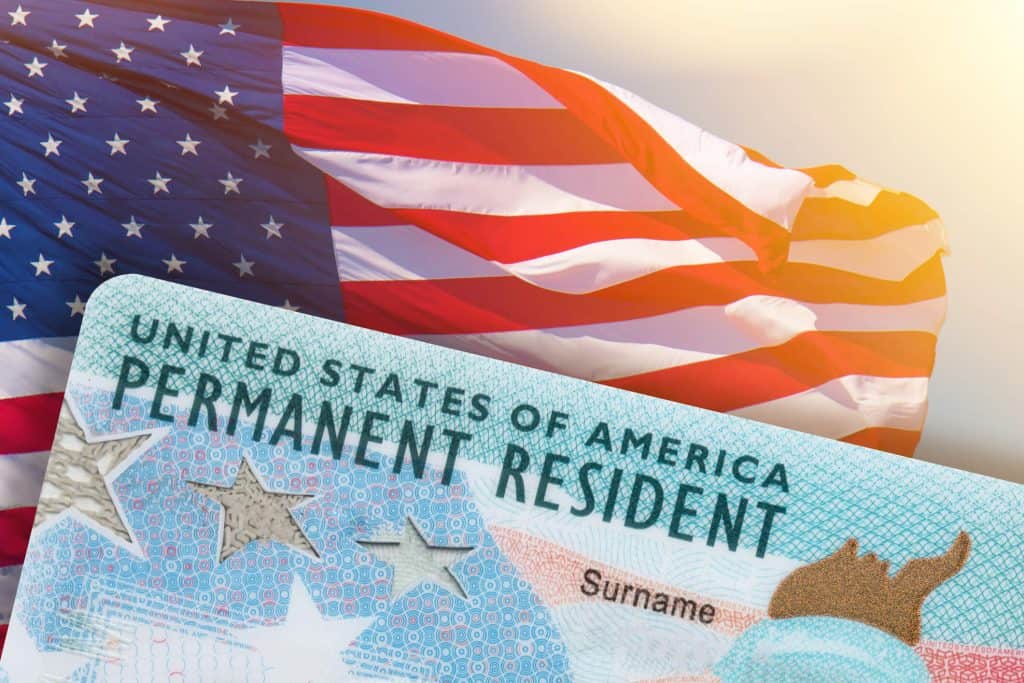
It is essential for green card holders to understand the immigration consequences of domestic violence:
- Convictions involving violence can trigger deportation proceedings
- Both felony and misdemeanor offenses may have immigration consequences
- Protective measures, such as self-petitions under VAWA, may offer relief
- Legal counsel is critical for navigating complex forms, documents, and court procedures
Being informed allows residents to make decisions that minimize risk and protect their immigration status.
Potential Outcomes and Consequences
Domestic violence convictions may result in:
- Deportation and loss of green card status
- Mandatory detention by ICE
- Ineligibility for visas, naturalization, or sponsorship of family members
- Jail time, fines, or other criminal penalties
- Long-term family separation
Understanding these potential outcomes underscores the importance of immediate legal guidance.
Conclusion
Green card holders can indeed be deported for domestic violence offenses. Even minor offenses can have severe consequences for lawful permanent residents because of the interplay between criminal and immigration law. Prompt legal consultation is critical. An experienced immigration attorney can provide guidance on defenses, relief options, and strategies to protect residency, family safety, and future eligibility for citizenship. Acting proactively, understanding the law, and seeking expert advice are essential steps for green card holders facing domestic violence charges.
Frequently Asked Questions (FAQs)
1. Can a green card holder avoid deportation if the domestic violence charge is dropped?
If the charges are dropped before conviction, deportation is generally less likely, but it is not guaranteed. Immigration authorities may still review the arrest record or consider prior acts. Consulting an immigration attorney ensures that the green card holder’s resident status is protected and any potential risk of removal is minimized.
2. How does a protective order issued against a green card holder affect their immigration status?
A protective or restraining order can trigger deportation proceedings even without a conviction. Immigration law treats violations of such orders seriously because they indicate potential harm to family or household members. Green card holders should seek immediate legal assistance to understand how the order may affect their status and explore relief options.
3. Can a green card holder self-petition for relief if they are both a victim and accused in a domestic violence case?
Yes. Under the Violence Against Women Act (VAWA), certain green card holders who are abused by a spouse, parent, or family member can self-petition for protection from deportation, even if they are facing charges themselves. An immigration attorney can assess eligibility and help navigate the necessary forms and documentation.
4. Does immigration law treat first-time domestic violence offenses differently from repeated offenses?
While immigration law does not always distinguish between first-time and repeated offenses, repeated domestic violence acts or multiple convictions can increase the risk of deportation, impact naturalization applications, and limit access to relief programs. Legal counsel can advise on strategies to mitigate consequences based on case history.
5. What is the role of a plea bargain in reducing immigration consequences for domestic violence convictions?
A plea bargain may reduce charges to a lesser offense that is not deportable. This can be a critical step in protecting resident status and future immigration benefits. Anyone facing a domestic violence conviction should work closely with both a criminal defense lawyer and an immigration lawyer to evaluate whether a plea bargain is in their best interest.
6. How long does a domestic violence conviction stay on an immigration record, and can it be expunged?
A domestic violence conviction generally remains part of the immigration record permanently. In some states, post-conviction relief or expungement may remove the criminal record from state databases, but immigration authorities can still access it. Consulting an immigration attorney can clarify whether vacating or appealing a conviction could reduce the impact on resident status.
7. Can a green card holder appeal a deportation decision based on a domestic violence conviction?
Yes. A green card holder can appeal a deportation decision through the immigration court system. Filing an appeal allows the individual to challenge the decision and present evidence or arguments to mitigate removal. Contacting an immigration lawyer promptly is crucial to meet strict filing deadlines and preserve the right to appeal.
8. Are there differences in how misdemeanor and felony domestic violence convictions impact naturalization eligibility?
Yes. Felony convictions generally have more severe consequences, including permanent bars to naturalization, while misdemeanors can still affect eligibility if they involve moral turpitude. Immigration lawyers can review the case to determine whether a conviction could delay or prevent citizenship and recommend steps to protect eligibility.
9. What services are available to help a green card holder navigate both criminal and immigration proceedings after a domestic violence arrest?
Several services can assist green card holders, including legal aid organizations, immigration attorneys, and victim advocacy programs. These services guide criminal defense, immigration relief, and victim protection. Using available services ensures that residents understand their rights and take the correct steps in both courts.
10. Can the government deny re-entry or immigration benefits to someone who has a domestic violence conviction but has served their criminal sentence?
Yes. Even after serving a criminal sentence, domestic violence convictions can affect re-entry into the U.S., future visa applications, or naturalization. Immigration authorities evaluate the nature of the offense, prior acts, and risk to others. Legal guidance is essential to determine eligibility for relief and protect resident status.



 Lipp Law LLC
 (702) 745-4700
 info@LippLaw.vegas

